How Hard Is It to Win the Lottery? Understanding the Real Odds
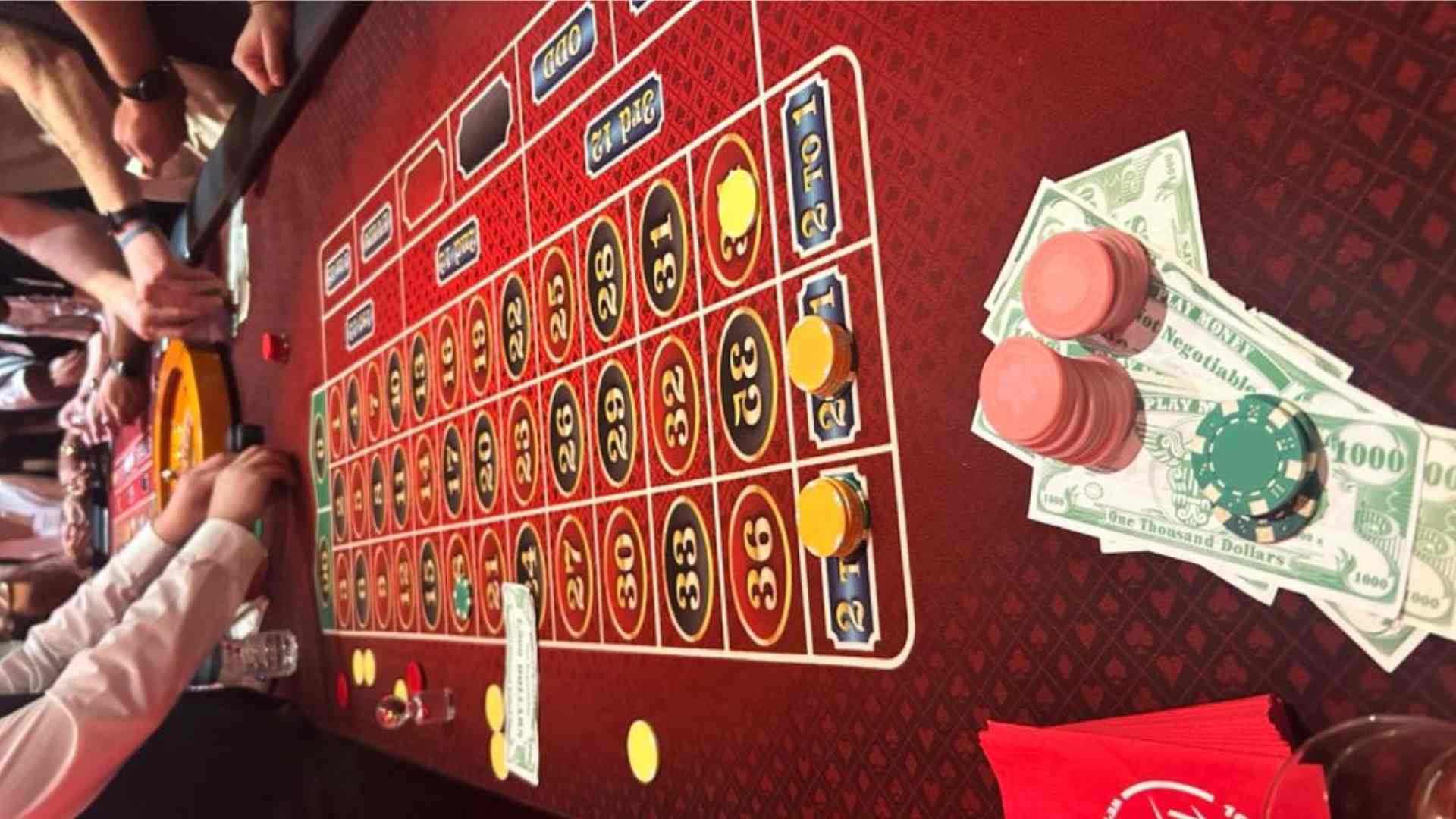
Millions of people purchase lottery tickets every week in hopes of transforming a modest investment into life-changing wealth. While giant jackpots capture public imagination, the true mathematical probability of hitting the top prize remains staggering. Understanding how probability works can help players maintain realistic expectations about their chances.
The Mathematical Reality of Giant Jackpots
Major national lotteries often feature odds that exceed one in several hundred million for winning the grand prize. These astronomical numbers stem from the sheer volume of possible number combinations available in each drawing. Because every single set of numbers carries the exact same mathematical probability, buying a ticket offers only a infinitesimal chance of success.
To put these figures into perspective, everyday life events are statistically far more likely to occur than winning a massive jackpot. For example, individuals are significantly more likely to be struck by lightning or find a rare gem than to match all winning numbers. Recognizing these mathematical parameters provides a clear foundation for managing personal expectations.
Smaller Prizes and Overall Winning Probability
While winning a grand prize is exceptionally rare, many lotteries offer lower-tier payouts for matching fewer numbers. The odds of winning a minor prize, such as recovering the ticket cost or earning a modest payout, are considerably higher. These secondary tiers keep gameplay engaging for casual participants who enjoy the experience.
For those interested in exploring digital gaming and probability entertainment online, platforms like m88 促销代码 provide access to various alternative options. Comparing different formats allows players to better analyze risk structures and reward systems. Knowing how payouts operate across different games helps users make informed entertainment decisions.
The Concept of Expected Value in Gambling
In statistics, expected value measures the average outcome of a repeated event over an extended duration. In almost every commercial lottery, the expected value of a single ticket is significantly lower than its purchasing price. This gap exists because operators retain a percentage of ticket sales to cover administrative costs and public programs.
When a jackpot rolls over repeatedly, the theoretical expected value can occasionally exceed the ticket cost on paper. However, factors like ticket splitting among multiple winners and tax withholdings reduce the practical return. Therefore, purchasing tickets should be viewed strictly as paid entertainment rather than an investment strategy.
Psychological Factors Behind Ticket Purchases
Despite the overwhelming statistical odds, millions of individuals continue to buy tickets regularly. Behavioral economists explain that humans naturally struggle to process extremely large numbers and microscopic probabilities accurately. The low cost of entry creates a strong psychological incentive driven by optimism and excitement.
Ultimately, playing the lottery should always remain a harmless form of recreation within a controlled personal budget. Setting strict boundaries ensures that participation remains fun without creating financial strain. Enjoying the anticipation of the draw is healthiest when grounded in clear mathematical understanding.